
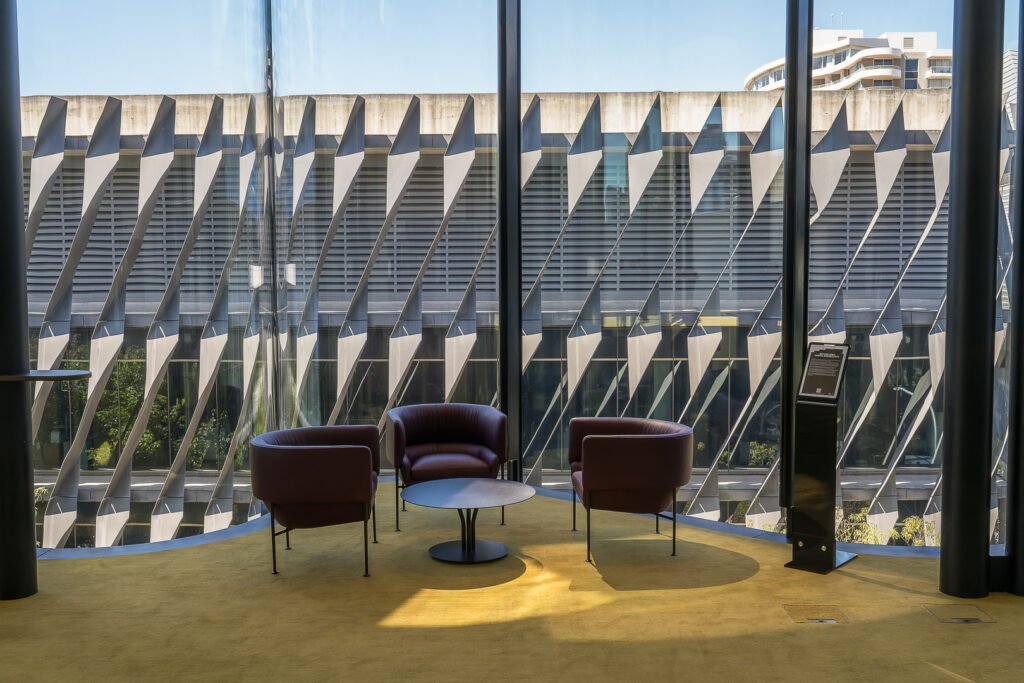
Some homes look complete the moment you walk into them.
The furniture matches.
The colours are balanced.
The lighting is soft and deliberate.
Everything appears exactly where it should be.
And yet, after a few minutes, something feels strangely absent.
Not wrong.
Not unattractive.
Just emotionally weightless.
You admire the space, but you do not feel connected to it.
I have been in homes that were modest, imperfect, and slightly worn that felt deeply personal within seconds. And I have been in beautifully designed spaces that felt more like a display than a life.
The difference is difficult to explain because it has very little to do with money, taste, or design trends.
It has to do with whether the space reveals anything about the people who live there.
Modern interiors are often designed around visual calm. Neutral palettes. Minimal clutter. Clean surfaces. Cohesion. Restraint. None of these things are inherently bad. In fact, some can create genuinely peaceful environments.
But somewhere along the way, many homes stopped accumulating personality and started accumulating approval.
Rooms are increasingly designed to photograph well, to feel curated, to resemble the spaces we have already seen online a hundred times before. The result is often impressive, but strangely anonymous.
You can walk through the entire house without discovering anything unexpected.
No object that carries history.
No photograph that feels quietly important.
No sign that somebody has actually lived emotionally inside the space.
The home feels finished before it feels inhabited.
What makes a home personal is rarely perfection.
It is usually something smaller and less controlled.
A chair that has remained for twenty years because someone always sits there to read.
A framed photograph that no longer matches the décor but still matters to the person who walks past it every day.
Books that reveal genuine interests rather than decorative intentions.
Objects collected slowly instead of purchased all at once.
These things are not valuable because they are stylish.
They are valuable because they contain memory.
The older I get, the more I suspect that truly personal homes are built gradually, almost accidentally. They evolve through attachment rather than planning. They reveal what people love, what they remember, where they have been, and who they have become.
That kind of space cannot be assembled in a weekend.
And it certainly cannot be fully copied from someone else.
There is also something slightly vulnerable about a personal home. It exposes preference, sentiment, history, and emotional connection. Perhaps that is why so many modern spaces lean toward safety instead. A carefully neutral home risks very little socially.
But it also says very little.
The homes that stay with me are rarely the most polished ones.
They are the ones where I leave knowing something more about the person who lived there.
Not because they told me.
Because the room already had.
I write and create around presence, time, and the quieter ways we live with images. If this resonated, you may find similar reflections in my photography.