
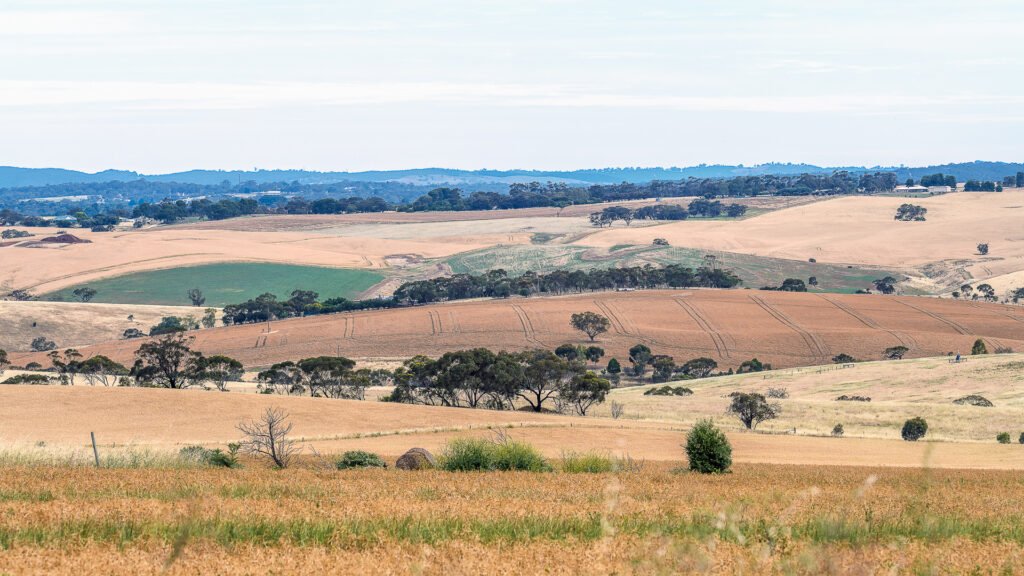
For as long as I can remember, I have been drawn to quiet landscapes.
Only recently have I started to understand why.
When I photograph these places, the experience feels less like “taking pictures” and more like settling into the moment. I stand still for a while. I look. I listen. Then, almost without thinking too much about it, I raise the camera and compose the scene.
When it feels right, I press the shutter.
Sometimes I walk a little further and begin again.
There is no urgency in it.
I think that is part of what I value most.
Quiet places allow me to step outside the constant noise of modern life. They slow my thinking down. They remove the pressure to perform, react, or compete. In those moments, I feel less distracted by the world and more connected to my own thoughts.
I notice this most clearly when I compare it to other forms of photography.
Occasionally, I try photographing birds in flight or action at local sporting grounds. Those situations demand speed and constant reaction. Exposure settings, autofocus, timing, anticipation — everything happens quickly. By the end of it, I often feel mentally exhausted.
Some photographers thrive on that energy, and I understand why.
But I have realised it is not where my best work comes from.
Spectacle tends to pull my attention outward. Quiet landscapes pull it inward.
That difference matters to me creatively.
When I am surrounded by noise and distraction, I find it harder to hear the quieter parts of myself — the instincts, memories, and emotional responses that shape the photographs and writing I care about most.
In quieter places, something changes.
I stop trying so hard to capture an image.
Instead, I begin responding to what the place feels like.
The process becomes slower and more reflective. I notice details I might otherwise miss: the shape of distant hills, changing light across dry grass, the stillness of water, or the way space itself can create emotion.
I think that stillness allows me to see more clearly.
Not just visually, but emotionally.
I am no longer rushing to “get the shot.” I am exploring the environment quietly enough to feel part of it. And when that happens, the photographs seem to emerge more naturally.
Over time, I have come to realise that the landscapes I value most are rarely dramatic.
They are often modest places.
Quiet places.
Places that ask very little from me except attention.
And perhaps that is why I keep returning to them.