
Some photographs do not reveal themselves all at once.
Some photographs do not mean very much to us at first. We recognise that something drew us to make them or keep them, yet the reason remains unclear. They sit quietly among other images, neither favourites nor forgotten, waiting without asking for attention. Many people have photographs like this — pictures we return to occasionally without quite knowing why. One image of layered coastal cliffs has stayed with me in that way. Each time I look at it, I notice something different: colours I had overlooked, shapes that seem newly arranged, patterns that feel almost intentional. The photograph itself has not changed, yet the experience of seeing it continues to shift, as though understanding arrives slowly and in its own time.
Over time, I began to realise that these photographs are not unfinished experiences but patient ones. We often assume meaning should be immediate — that a strong image reveals itself straight away — yet some photographs seem to wait until we have changed enough to meet them differently. The longer I lived with this image, the less interested I became in when or where it was taken, and the more aware I became of how it continued to hold my attention. It was not asking to be understood. It was simply allowing understanding to arrive gradually.
We are used to judging photographs quickly. A few seconds is often enough to decide whether an image is successful, interesting, or worth keeping. I have done the same myself, moving past photographs that did not immediately stand out, assuming their silence meant they had little to offer. Yet some images resist that kind of decision. They do not announce themselves or compete for attention. Instead, they remain quietly present, revealing small details over time — a relationship between colours, a balance of shapes, a feeling difficult to name but difficult to ignore once noticed.
Perhaps the change does not happen within the photograph at all, but within us. As our lives move forward, our attention shifts in ways we rarely notice. Experiences accumulate, priorities soften, and we begin to see connections that once escaped us. An image that once felt ordinary can suddenly feel familiar, as though it has been quietly keeping pace with our own changes. What we recognise in it is not new meaning added to the photograph, but a new readiness in ourselves to see what was already there.
When I return to the photograph of the layered cliffs now, I no longer look for a single subject or explanation. My attention moves slowly across the colours and shapes, noticing how one layer settles against another, how patterns appear briefly and then dissolve as my eye shifts. Some days the image feels geological and distant; other times it feels almost abstract, like a memory rather than a landscape. The photograph itself remains unchanged, yet each viewing feels slightly different, as though it meets me wherever I happen to be rather than asking me to see it in only one way.
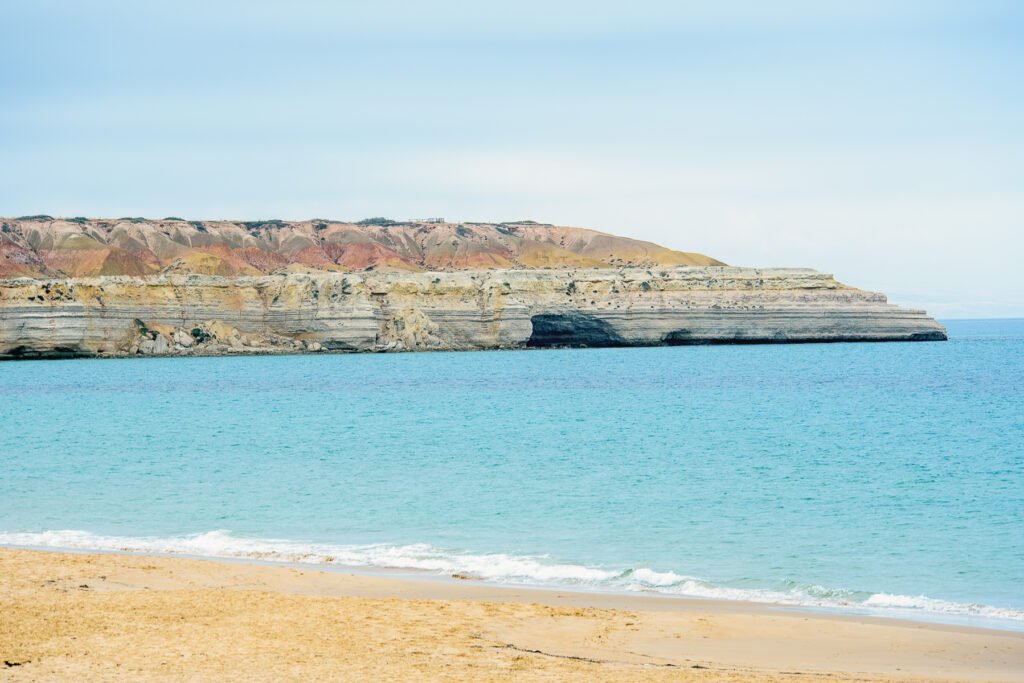
Each time I return to this image, it seems to show me something I had not noticed before.
I have come to think that some photographs are not meant to be understood immediately. They do not exist to deliver impact or clarity in a single moment. Instead, they remain open, allowing meaning to gather slowly over time. We change, and in changing, we notice different things — moods we recognise, questions we carry, moments of stillness we might once have overlooked. The photograph becomes less an object we evaluate and more a place we return to, quietly reflecting back whatever stage of life we happen to be passing through.
Most of us carry photographs like this, even if we do not think of them in that way. Images we hesitate to discard, not because they are exceptional, but because they feel incomplete in a meaningful sense. We return to them occasionally, sometimes years apart, noticing something newly familiar each time. In these moments, the photograph is no longer simply a record of where we have been. It becomes part of how we understand where we are now — a quiet companion to change rather than a fixed memory of the past.
Perhaps this is why some photographs stay with us long after others fade. They do not demand understanding or admiration. They simply remain available, waiting for us to notice them again when we are ready. Over time, we realise that the meaning we find in them is not something newly discovered, but something that has grown alongside us. The photograph has been patient all along, holding its place while our seeing slowly changed.
I write and create around presence, time, and the quieter ways we live with images. If this reflection resonated, you may find similar moments in my photography.
Read More Stories Like This:
- Why We Stop Seeing the Photographs We Once Loved
- Why We Rearrange Our Homes But Nothing Really Changes
- Why We Photograph Certain Moments and Ignore Others