
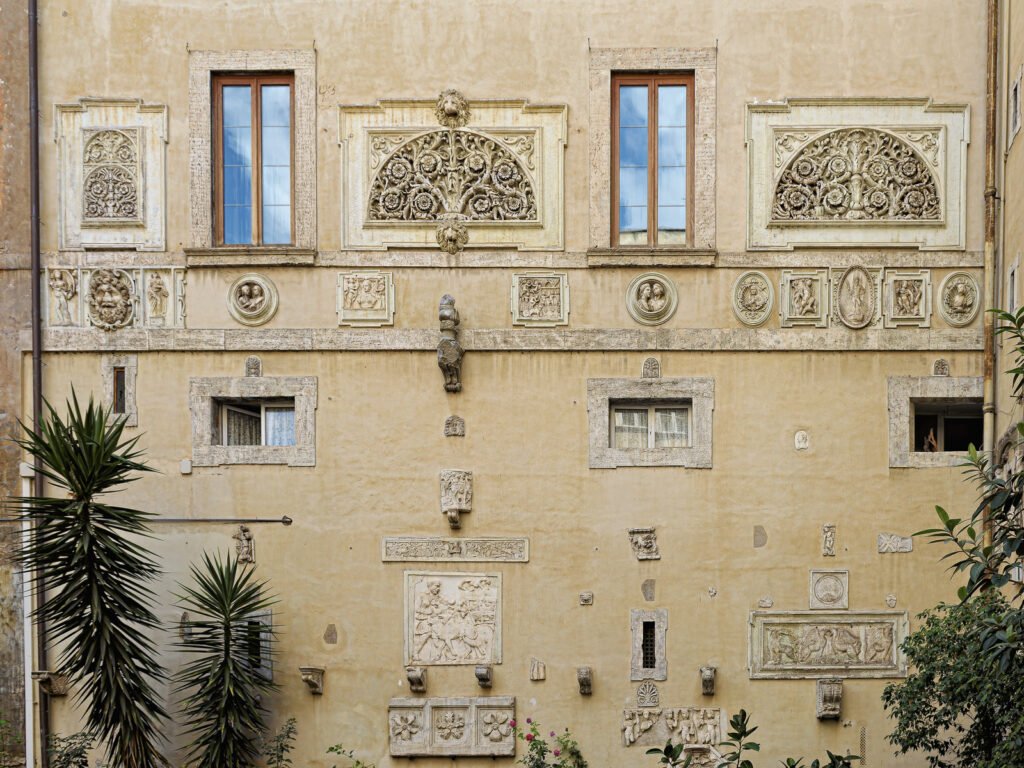
This wall has watched centuries pass without asking to be noticed. It simply stays.
There is something quietly confronting about choosing an image that will likely remain on the wall long after you are gone.
We don’t usually think about art that way.
We think about colour palettes.
About balance.
About whether something “fits.”
But occasionally, a different awareness slips in.
This might still be here when I am not.
Not in a dramatic way. Not as legacy. Not as monument.
Just as presence.
The Difference Between Decoration and Duration
Most objects in our homes are temporary by design.
Furniture is replaced.
Technology becomes obsolete.
Even tastes evolve.
But a photograph — particularly one chosen carefully — has a different relationship to time.
It doesn’t wear out in the same way. It doesn’t require upgrading. It doesn’t become outdated because a style shifts.
It simply remains.
That constancy changes how it feels to live with it.
When I began thinking about this consciously, I realised I was no longer asking:
Does this match?
I was asking:
Can I live with this for a long time?
And then, more quietly:
What happens if it lives beyond me?
That question doesn’t make the act heavy.
It makes it honest.
Living With Time Instead of Trend
We live in a culture that refreshes itself constantly.
New seasons.
New collections.
New aesthetics.
There is nothing inherently wrong with that rhythm. Change can be energising. It can reflect growth.
But permanence carries a different weight.
Hanging something that may outlast you is not about resisting change. It’s about acknowledging that some choices are not purely decorative. They become part of the emotional architecture of a space.
Over years, an image absorbs life.
Morning light at different angles.
Conversations beneath it.
Seasons passing outside the window.
It witnesses quietly.
And that witnessing matters.
The Question Beneath the Question
I don’t believe we consciously select art as legacy objects.
But I do think we sense when something has depth beyond the immediate moment.
Some images feel disposable.
Others feel anchored.
The anchored ones don’t shout. They don’t compete for attention. They don’t rely on novelty.
They settle.
When you hang something that may outlast you, you are not declaring permanence. You are choosing continuity.
You are saying:
This matters enough to remain.
That decision changes the emotional tone of a room.
It slows it slightly.
It steadies it.
It removes the subtle urgency of constant replacement.
Mortality Without Drama
There is no need to make this idea solemn.
We all live surrounded by objects that will continue after us. Books. Tables. Photographs.
But art feels different because it is chosen for meaning, not function.
When a photograph remains on a wall for years, it becomes layered. It gathers associations that have nothing to do with its original subject.
The image stays the same.
You change.
That quiet contrast is not morbid.
It is grounding.
It reminds you that time is moving — and that some things are allowed to move more slowly than you do.
A Different Kind of Attachment
When I consider whether to bring an image into my home now, I notice a subtle shift.
I’m not asking whether it impresses me.
I’m not asking whether it aligns with current taste.
I’m asking whether it can stay.
Whether it has the steadiness to sit through the years without needing to be replaced.
That kind of attachment feels less impulsive.
Less performative.
More settled.
And oddly, more freeing.
Because once something is chosen for duration, you stop evaluating it constantly.
You let it exist.
Closing Reflection
Most of us will not be remembered by the objects we leave behind.
That isn’t the point.
But there is something quietly meaningful about living among things chosen with an awareness of time.
Not trend.
Not novelty.
Time.
Hanging something that may outlast you is not about permanence.
It is about respect.
Respect for the space you inhabit now.
Respect for the years ahead.
Respect for the fact that some images deserve to remain.
And in choosing them, perhaps we become a little steadier ourselves.
I write and create around presence, time, and the quieter ways we live with images. If any of this resonated, you may find similar threads in my photography.
Read More Stories Like This:
- Why Certain Places Feel Familiar Even When We’ve Never Been There
- I No Longer Need Every Photograph to Explain Itself
- Some Photographs Feel More Honest Than Others